

Welcome Clinical Research Fellow Jack Kollings
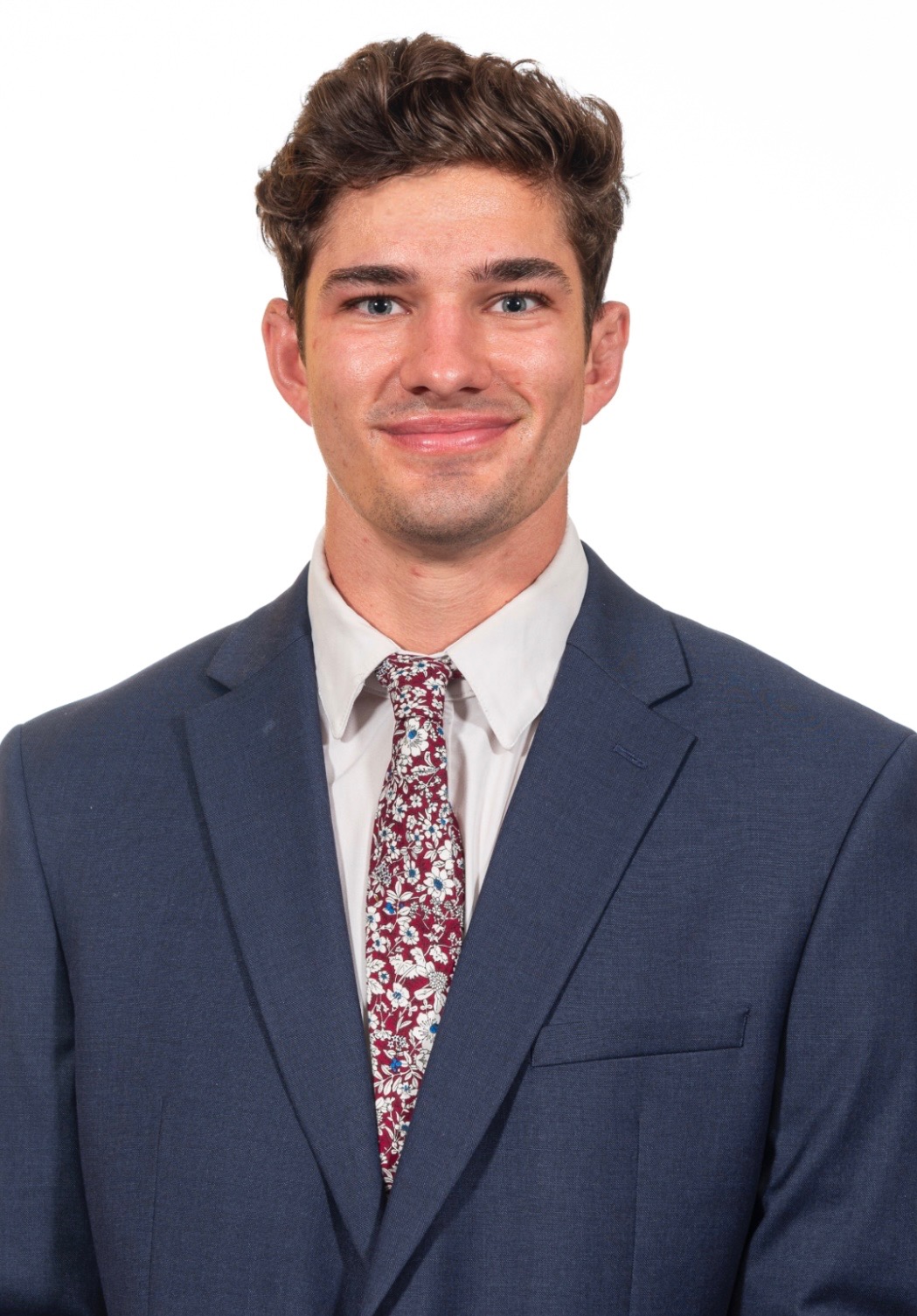
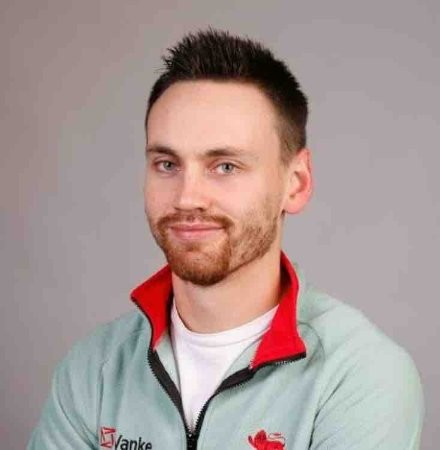
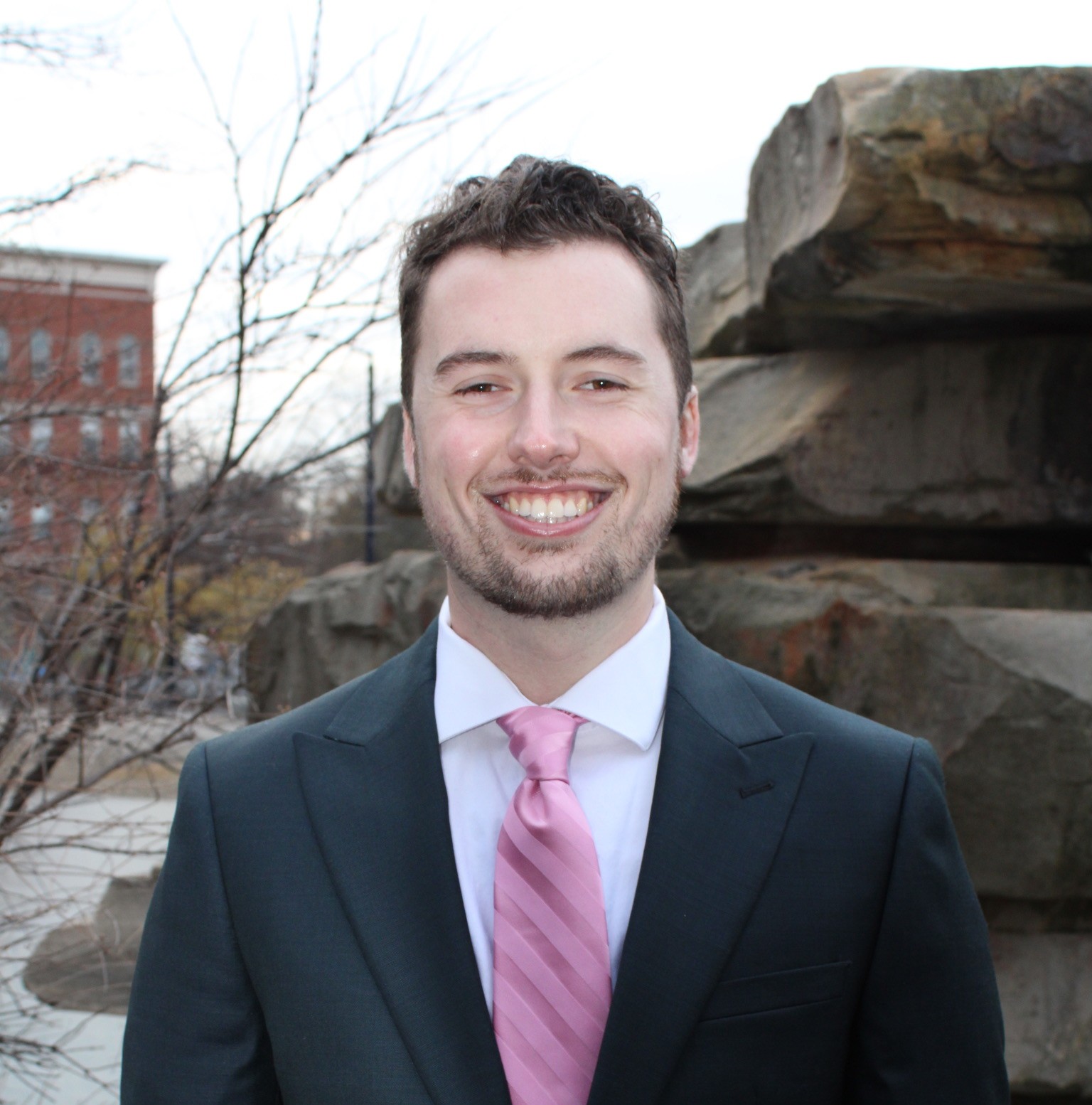
The Merkel Cell Carcinoma Collaborative (MC3) Institute is pleased to welcome our new clinical research fellow, Jack Kollings (he/him). Jack officially joined the MC3 Institute on June 1, 2026.
Each year, the MC3 Institute offers a Clinical Research Fellowship designed for medical students and early-career physicians. This unique fellowship provides invaluable experience in dermatology and oncology, with a focus on Merkel cell carcinoma (MCC) translational research. Fellows work directly with Dr. Paul Nghiem and other MCC providers to support patients throughout the challenging journey of diagnosis and treatment.
Welcome to the MC3 Institute Jack!
Welcome Q&A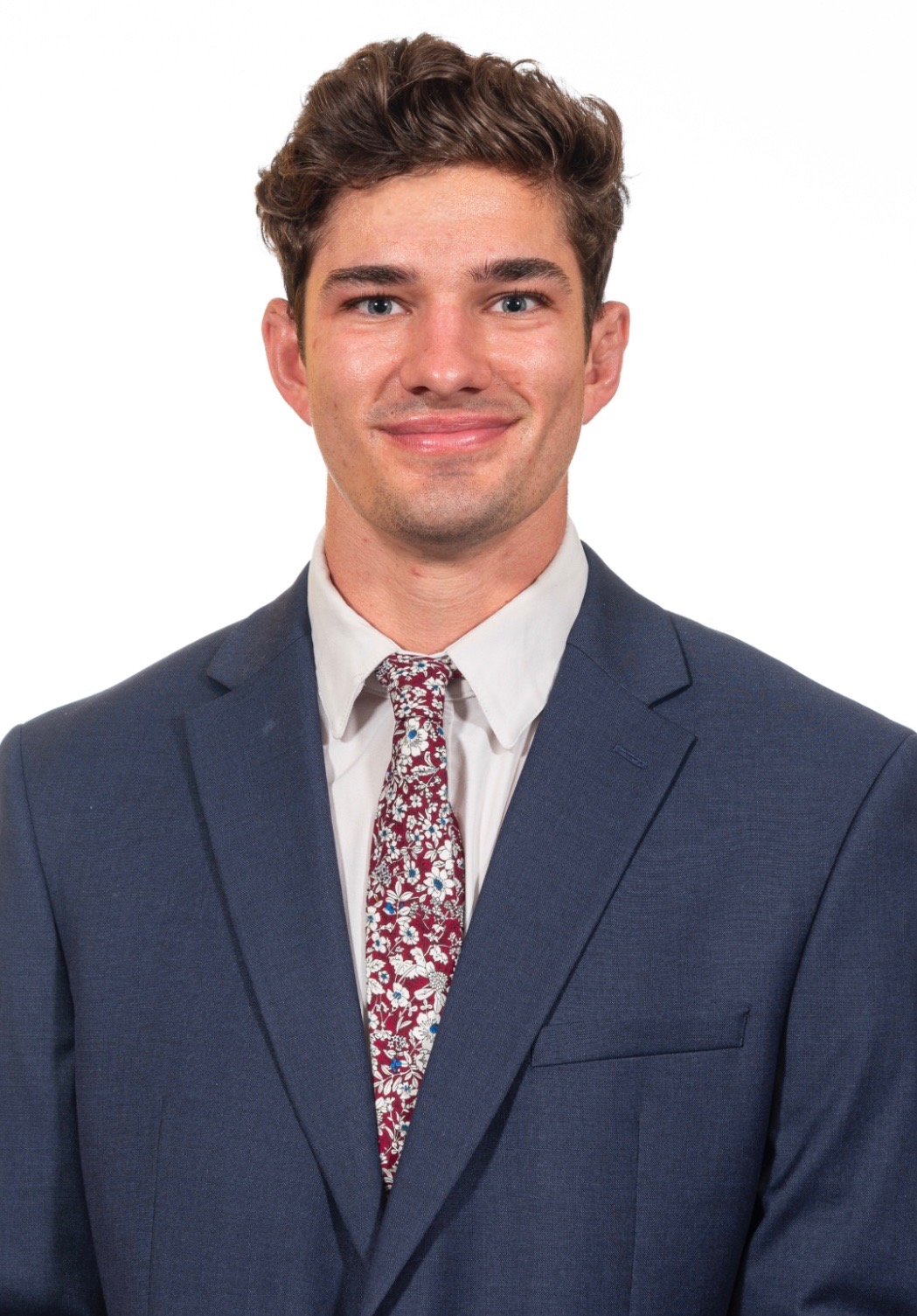
Hometown: Phoenix, Arizona
What is your previous work and education experience?
I am a medical student at the Johns Hopkins University School of Medicine between my third and fourth year. My work there has mostly been in the basic sciences, using in vitro and in vivo murine melanoma models to study how local polymeric nanoparticle gene delivery can reprogram the tumor microenvironment and push tumor cells toward more immunostimulatory and antigen-presenting phenotypes. I have used approaches including flow cytometry, RNA sequencing, and spatial immunofluorescence to better understand these responses. I have also been exploring related questions in Merkel cell carcinoma cells, specifically whether antigen processing and presentation pathways can be reprogrammed to restore tumor immunogenicity and improve immune recognition.
What areas of research are you most interested in learning more about?
I am most interested in research that connects the biology of Merkel cell carcinoma to what actually happens for patients. I want to learn more about how the differences between virus-positive and virus-negative MCC affect outcomes and response to immunotherapy. I am also interested in ctDNA, clinical trials, and how multidisciplinary teams define response and personalize care for patients with rare skin cancers. I am especially interested in how AI and large language models could be used responsibly to better understand patient outcomes, treatment response, and patterns in complex clinical data.
What skills do you hope to gain in this position?
I hope to get much better at being part of the day-to-day care of patients with this rare cancer. I want to learn how to support patients and families through their diagnosis and treatment, and how a multidisciplinary team thinks through complex cases together. I am also excited to see how real-time breakthroughs in disease understanding and management are actively integrated into patient care. More broadly, I see this as an opportunity to grow not only in clinical and translational research, but also as a more thoughtful future physician who understands how all the pieces of a patient’s care come together. Finally, I hope to expand and connect my background in skin cancer biology and immunotherapy with clinical and translational research at the best team and institute in the world for this particular disease.
What do you like to do in your free time?
In my free time, I like staying active and being outdoors as much as I can. I was on the rowing team during my undergrad at Arizona State University, and I still lift, hike, and snowboard whenever I have the opportunity. Some of my favorite hikes have been in Arizona’s Superstition Mountains and around Mount Humphreys, as well as in the Blue Ridge Mountains out east, so I am excited to explore the outdoor scene in the Pacific Northwest. On a rainy day, I enjoy good sci-fi and recently finished The Expanse. I also enjoy trying new food spots with friends and getting to know whatever neighborhood I am living in.